Installing a Narrow CW filter into an iCom IC-725 HAM Transceiver


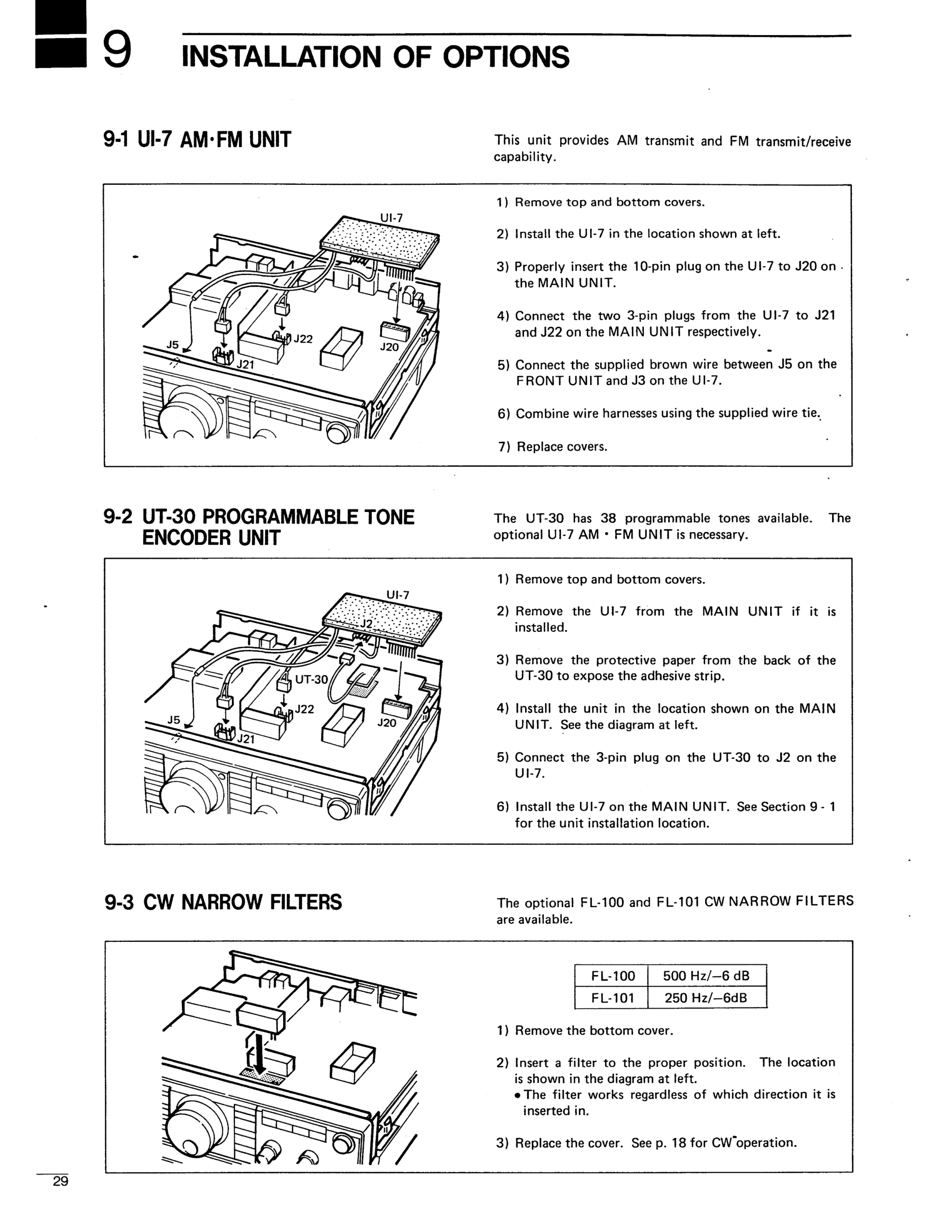
The iCom IC-725 Transceiver receives CW (Morse Code) natively, but you can install an optional “narrow” CW filter that gives you greater sensitivity / out of band rejection.

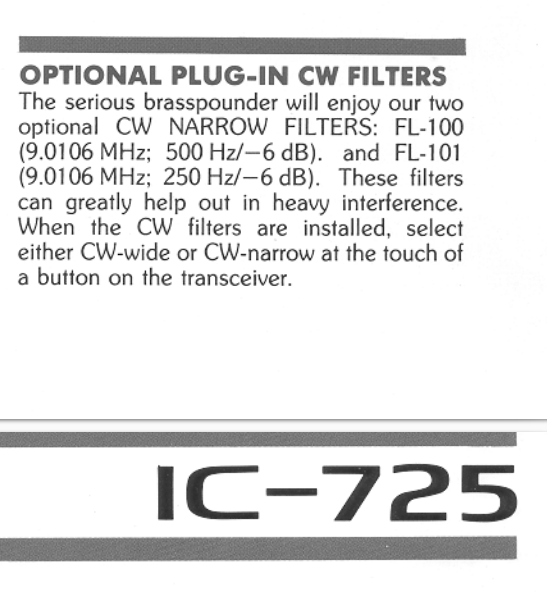
The FL-100 (500Hz notch) or FL-101 (250 Hz notch) are suggested in the IC-725 manual. I instead installed a FL-232 (350Hz) filter which is designed for later ICOM radios, but has the same form factor, and is designed for the same 9.01 Mhz IF that the IC-725 uses. This is a “happy medium” between the 500 and 250 sizes (Plus, I found a FL-232 for sale at $87 shipped, while most of the FL-100 and FL-101’s I’ve seen for sale are $120-150 shipped from Japan.)

Continue reading

Replacing the S-Meter & LCD Backlights on an iCom IC-725 HAM Radio

Two of the three 12volt incandescent “grain of wheat” light bulbs in my 30 year old iCom IC-725 radio had burnt out, making it difficult to see the meter at night. (And one side of my LCD was much dimmer than the other, although it was still readable.)

Although they are soldered to the front panel circuit board, replacing them is relatively easy if you have a fine tip soldering iron and good magnifying glasses.

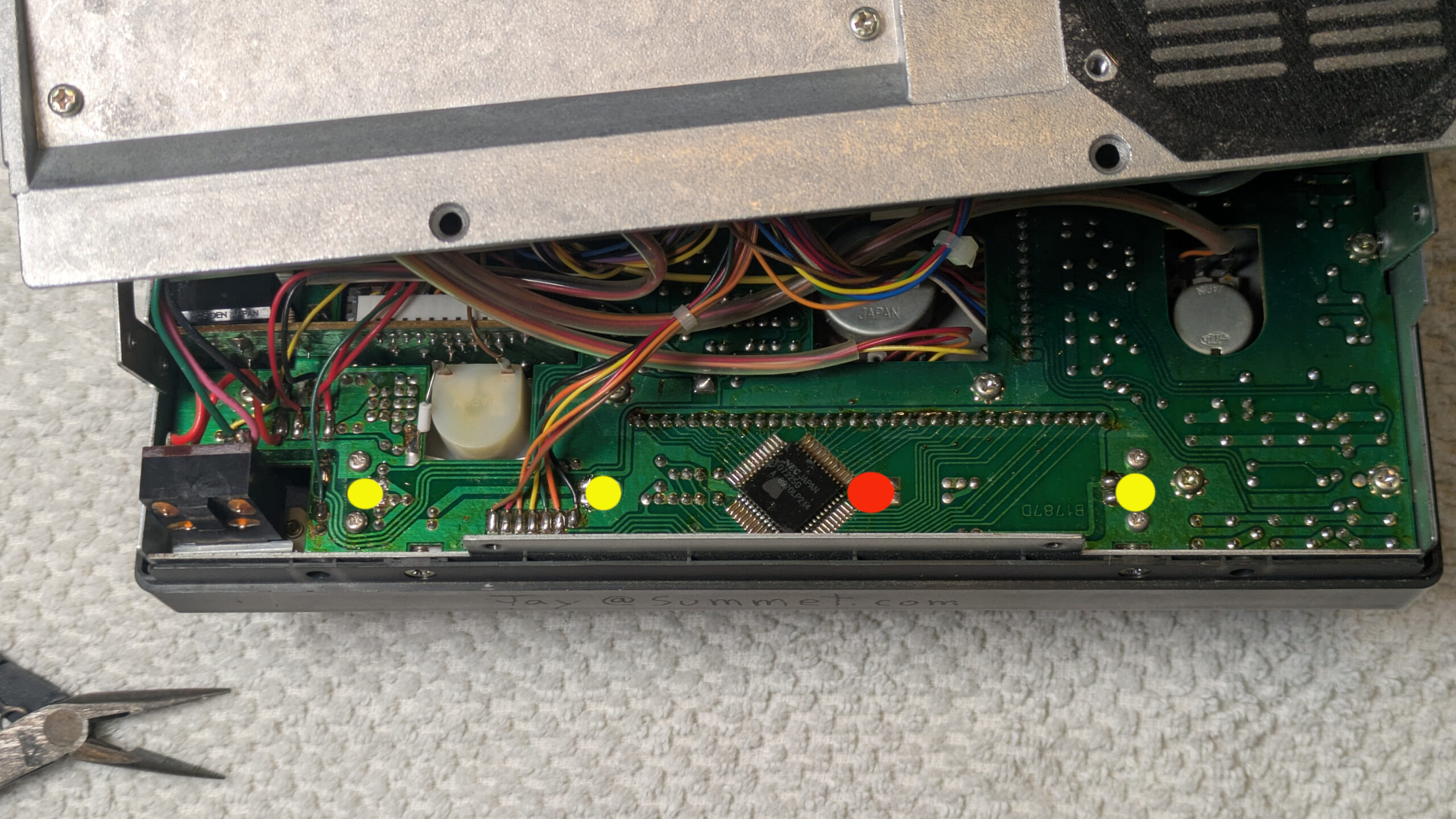
Access requires you remove the top and bottom covers, and then unscrew the screws holding the front cover in place (two on each side, and two on the top in the silver metal, not the two holding the plastic panel in place). This allows you to “fold” the front cover down without unplugging any wires to get just enough access to solder from the back of the circuit board.

Here is a photo of the rear of the circuit board with the locations of the three lights marked in yellow (the red dot is a 4th hole that is directly behind the LCD, and looks the same, but was unpopulated in my radio. It’s possible a light is supposed to go there in the original design, but it doesn’t look like there is any way for the light to get to the back of the LCD panel from that hole (i.e. no light guides as seen in the other two holes on the sides of the LCD).

I just held each leg of the bulbs with a pair of tweezers and pulled it out of the solder blob after heating it up with my micro tip soldering iron.  To install the new bulbs, I carefully clipped the legs to length, and then pressed them into the solder blob with the tweezers. [Only in one case did I have to add a drop of my own solder to help thermal conductivity to get the original solder to melt and flow around the bulb leg.]  Be careful to not drop any metallic leg clippings into your radio.

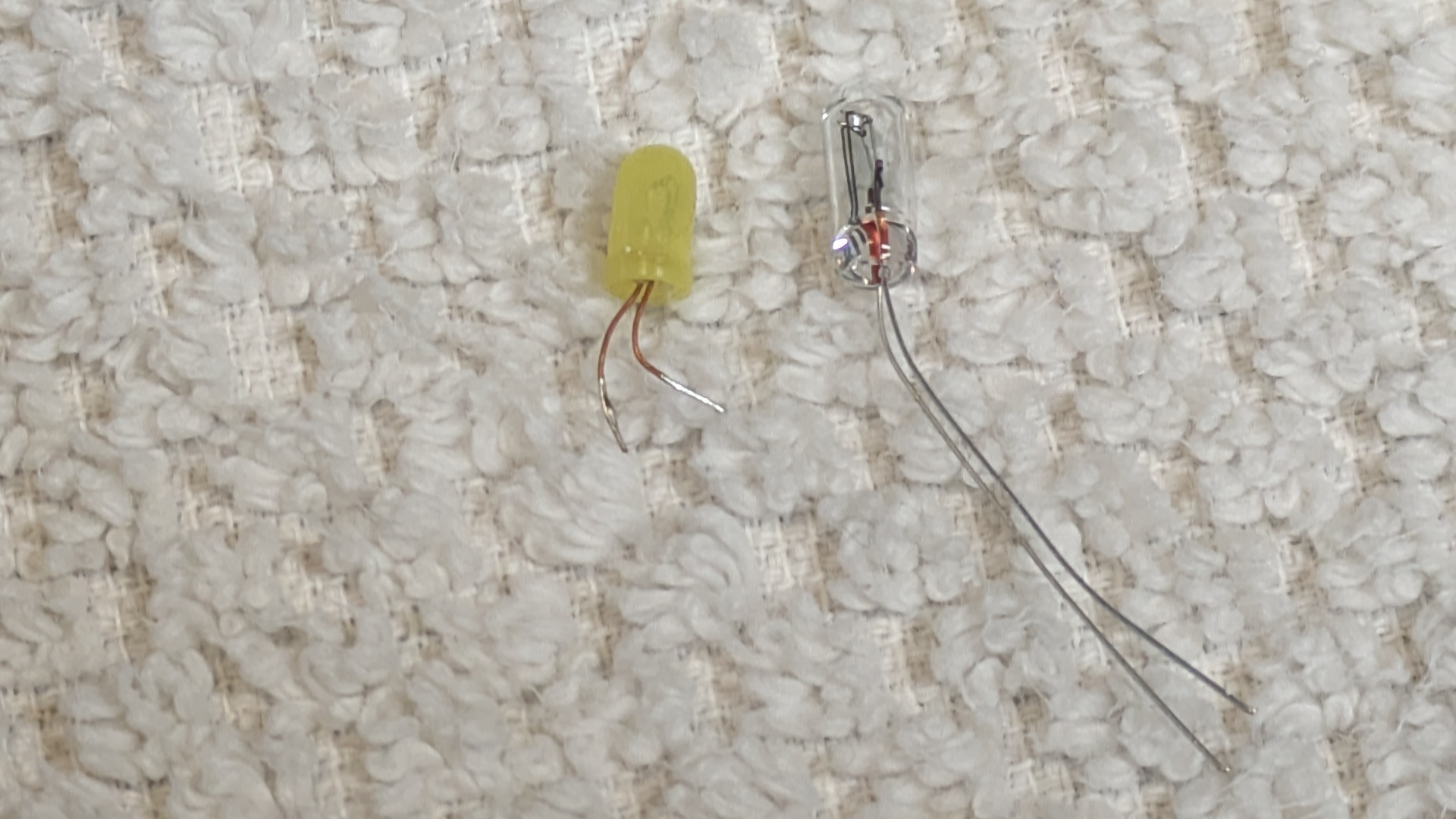
The original bulbs were very small incandescent bulbs surrounded by a yellow overlay that makes them look like LED’s, but they are NOT LED’s.   If you could find some 12 volt side throwing LED lights you could use those to replace them for longer lifespan, but given that the radio is 30 years old now and only 2 of the 3 original lights burnt out, I’m hoping these replacements will last a long time.

The ones I purchased were larger than the original lights, but fit the holes fine. I got them from e-bay seller: “Affinity For Artifacts” (About $12 shipped)
Qty 5 Light Bulbs Icom IC-720 IC-721 IC-725 IC-730 IC-735 S Meter Backlight Lamp
https://www.ebay.com/itm/126120391794

The original (yellow plastic cover) is on the left and measures:
3.35mm diameter, 6.25 mm length (plus wire leg length)

The replacements (on the right) measure:  3.74mm diameter, 10.15 mm length
(and stick out the back of the circuit board just slightly)

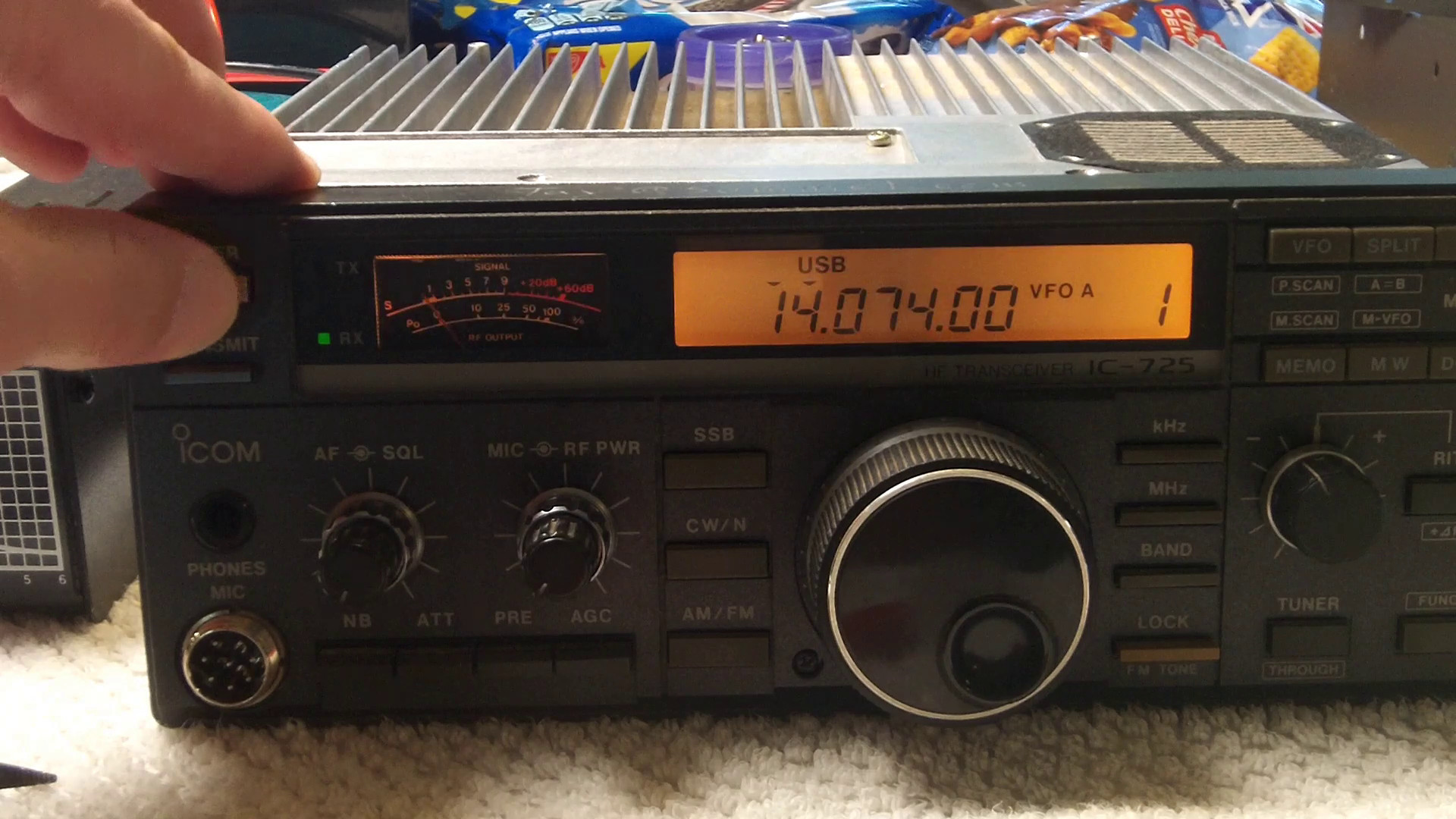
This photo makes the center of the LCD look darker than by eye (perhaps that mystery empty 4th hole was designed to counteract this?) but in person I didn’t find it very noticeable.

Final result


HOWTO: Identify optional components (UI-7 AM/FM Unit, FL-100 / FL 101 Narrow CW Filter) in an Icom IC-725 from the outside

The Icom IC-725 radio has three optional expansion units that may or may not be installed.

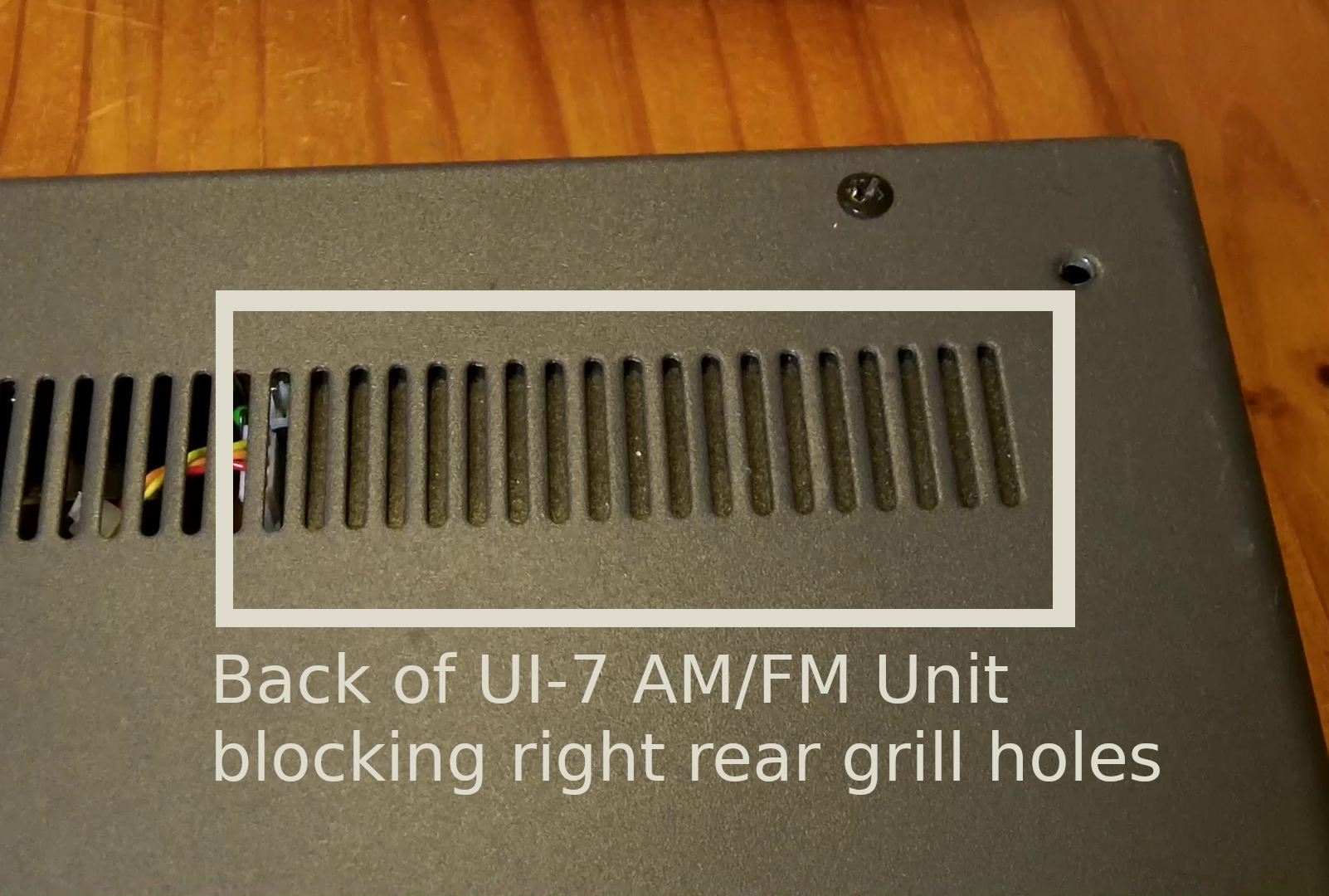
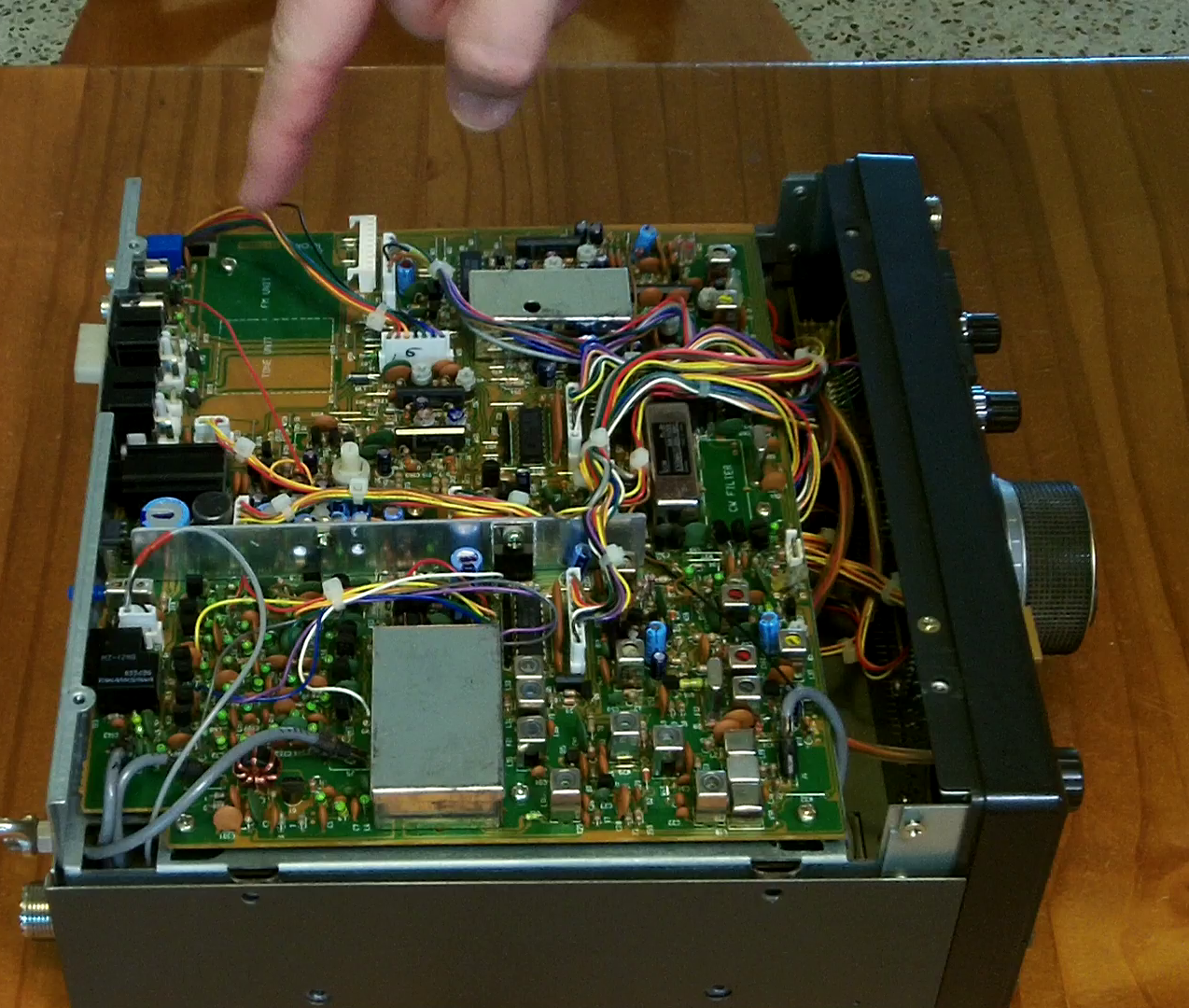
The UI-7 AM/FM Unit allows it to operate in AM and FM modes (in addition to SSB and CW) and plugs into the bottom of the main circuit board near the rear of the unit. When it is installed, the air flow grill openings on the rear right side of the bottom of the radio will be blocked. (Looking at the radio upside down from the front/knob side)

(Empty) Location where the UI-7 AM/FM unit would be installed (also the UT-30 tone unit would go under it.

[All IC-725 radios have the FM/AM and CW/Narrow buttons on the front panel, so the existence of these buttons, or even the AM/FM icons lighting up on the LCD panel doesn’t mean anything.]

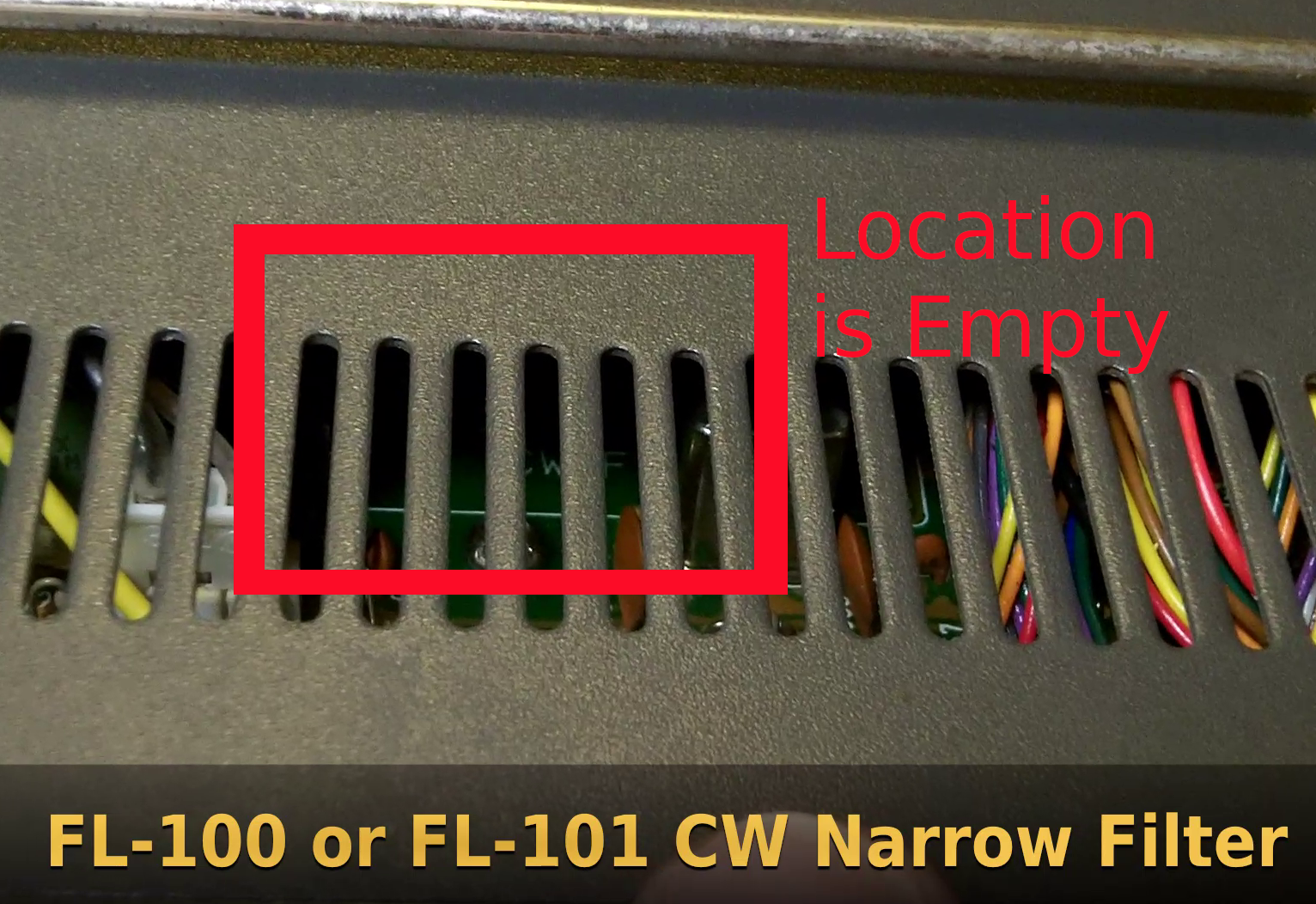
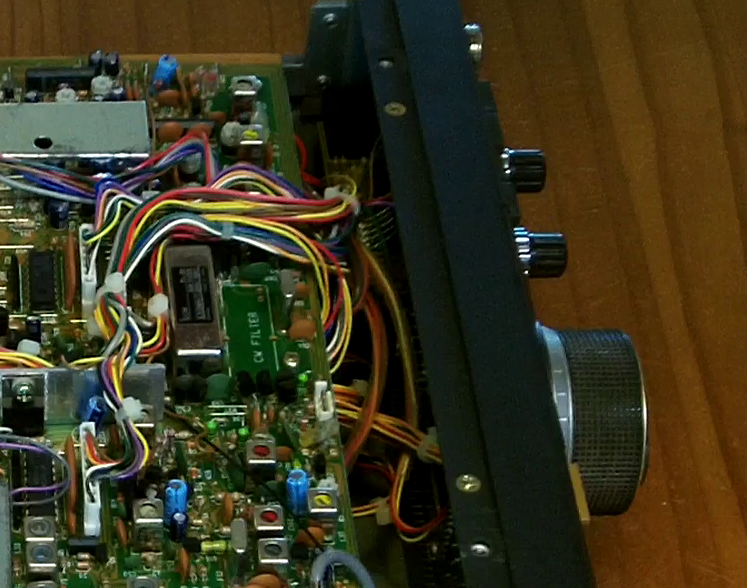
The FL-100 or FL-101 (500Hz or 250Hz) Narrow CW Filter units plug into the front middle of the bottom main board. You can faintly see a rectangle in white with the text “CW Filter” inside it on the green circuit board to the left of a silver crystal if the optional CW narrow filter is not installed. [If it IS installed, it will look like a larger rectangular prism that covers the “CW Filter” writing, usually silver in color with a black sticker on top.]

Empty location for the narrow CW filter outlined in white with “CW FILTER” on the main circuit board

The UT-30 Programmable Tone Generation unit plugs into the UI-7 unit but is invisible from the outside of the radio as it is sandwiched between the main board and the UI-7 board when installed.


The $650 budget HF Ham Radio setup for Voice & Digital Modes

Ham Radio can be a very inexpensive hobby if you are using a $30 Baofeng handy talky on the 2m or 70cm bands. But when you get into the lower HF bands (160-10m) costs start to mount (in both the core radio as well as the larger antennas and mounting hardware).  I was able to put together a budget ham radio setup for $650, and I don’t see a lot of room to go lower than that without getting parts donated or using a much lower quality radio.

I have a listing of the model/part numbers and links to sources below.

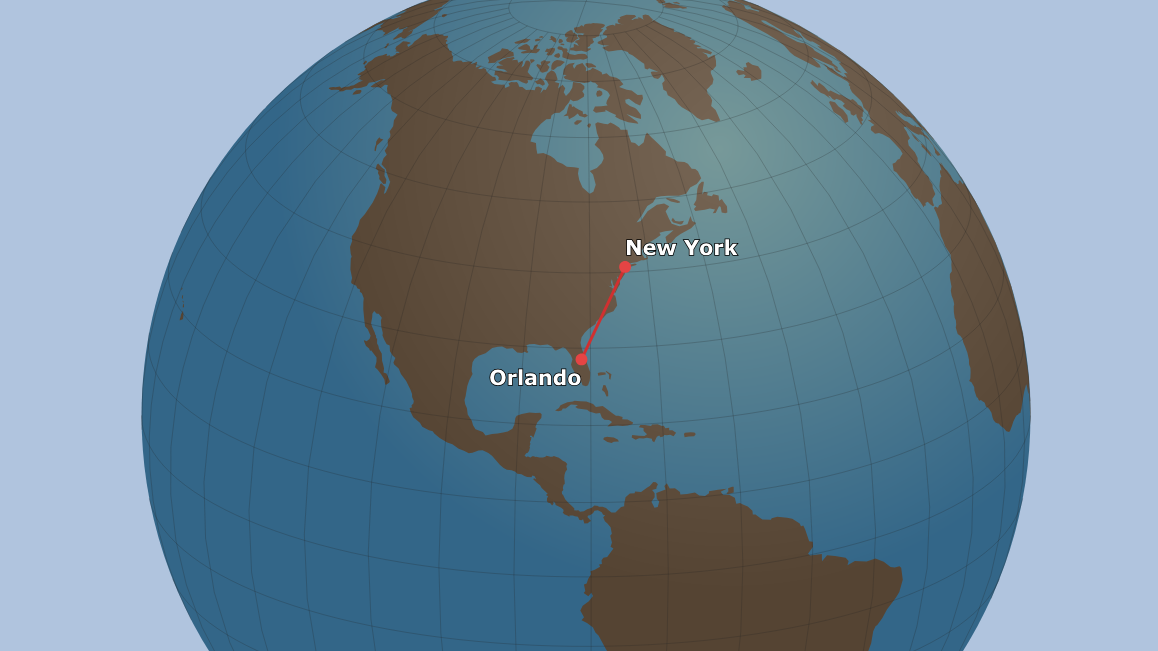
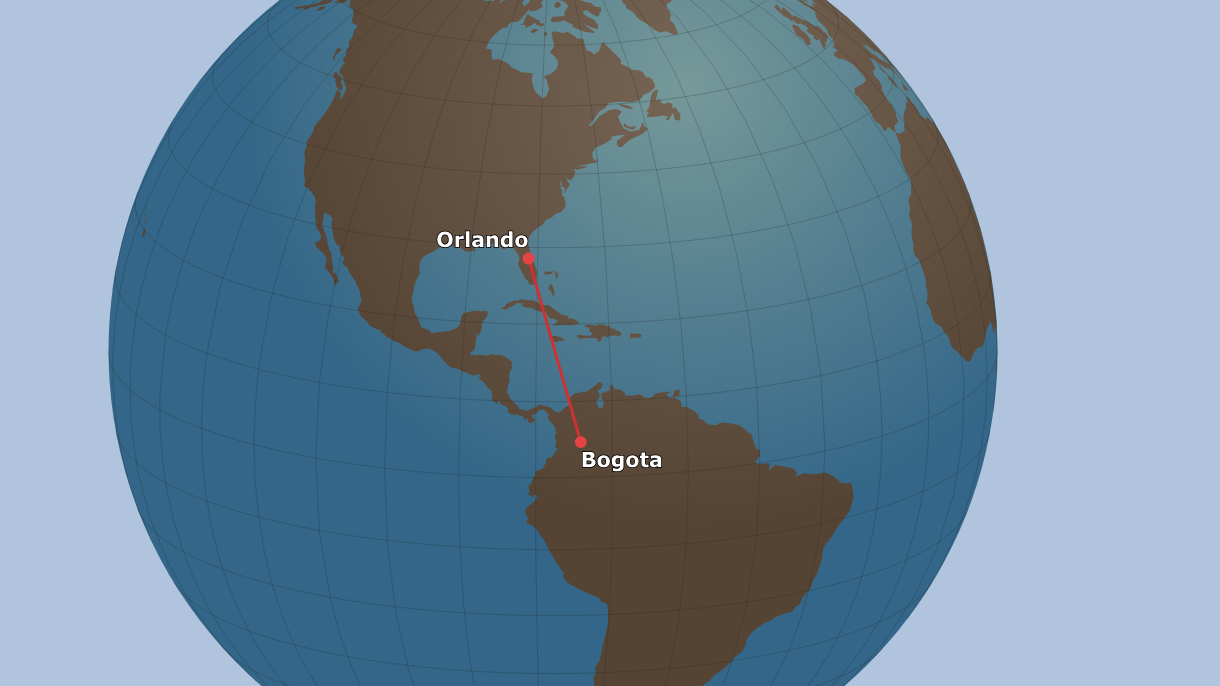
With this IC-725 radio and a 20m Dipole (mounted only 20′ up in the air) I’m able to easily make good voice contacts 1000-1,500 miles away (New York & Colombia).
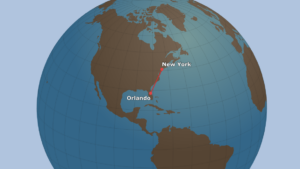
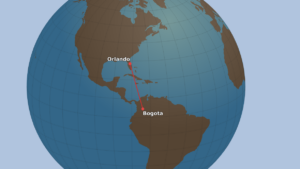
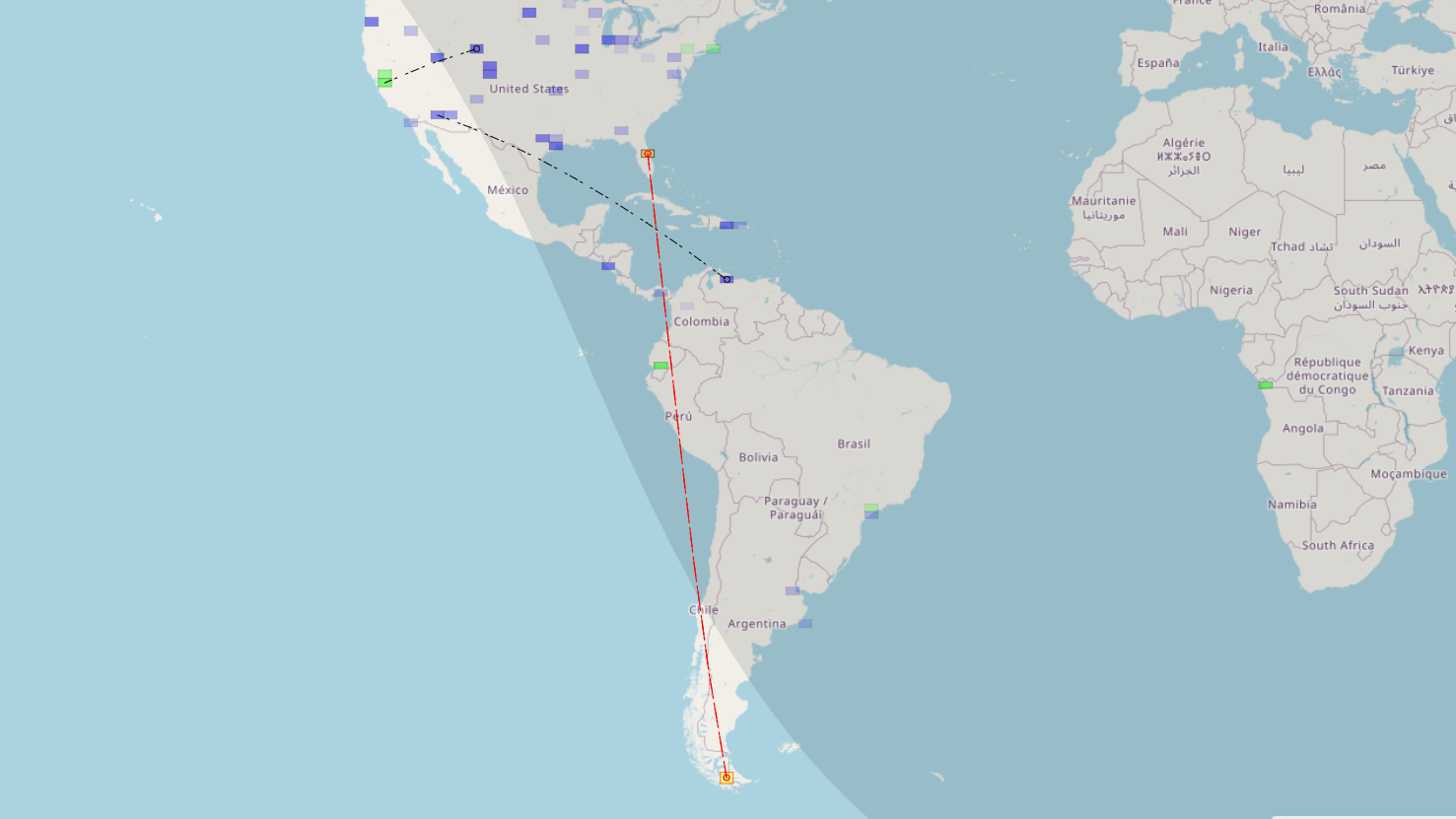
Using FT8 digital mode at 100 watts, I can reliably reach most of North and South America and parts of Africa. (If I re-oriented my antenna to face Europe, I’m sure I could also easily make contacts there).
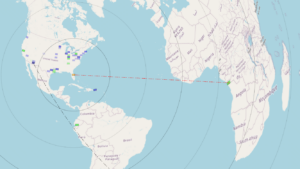
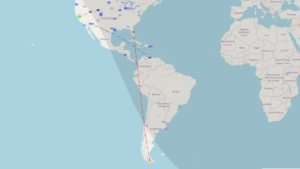
My longest contact to date (at a -19 reception level) was to Chongqing, China, but this was during exceptionally good atmospheric conditions (lots of bouncing through the F layer of the ionosphere) and it’s not something that happens regularly.

PSK reporter shows all of the remote stations have have heard my callsign (just because the can hear me, doesn’t necessarily mean I can hear/work them, as my IC-725 probably isn’t as sensitive as many newer transceivers).
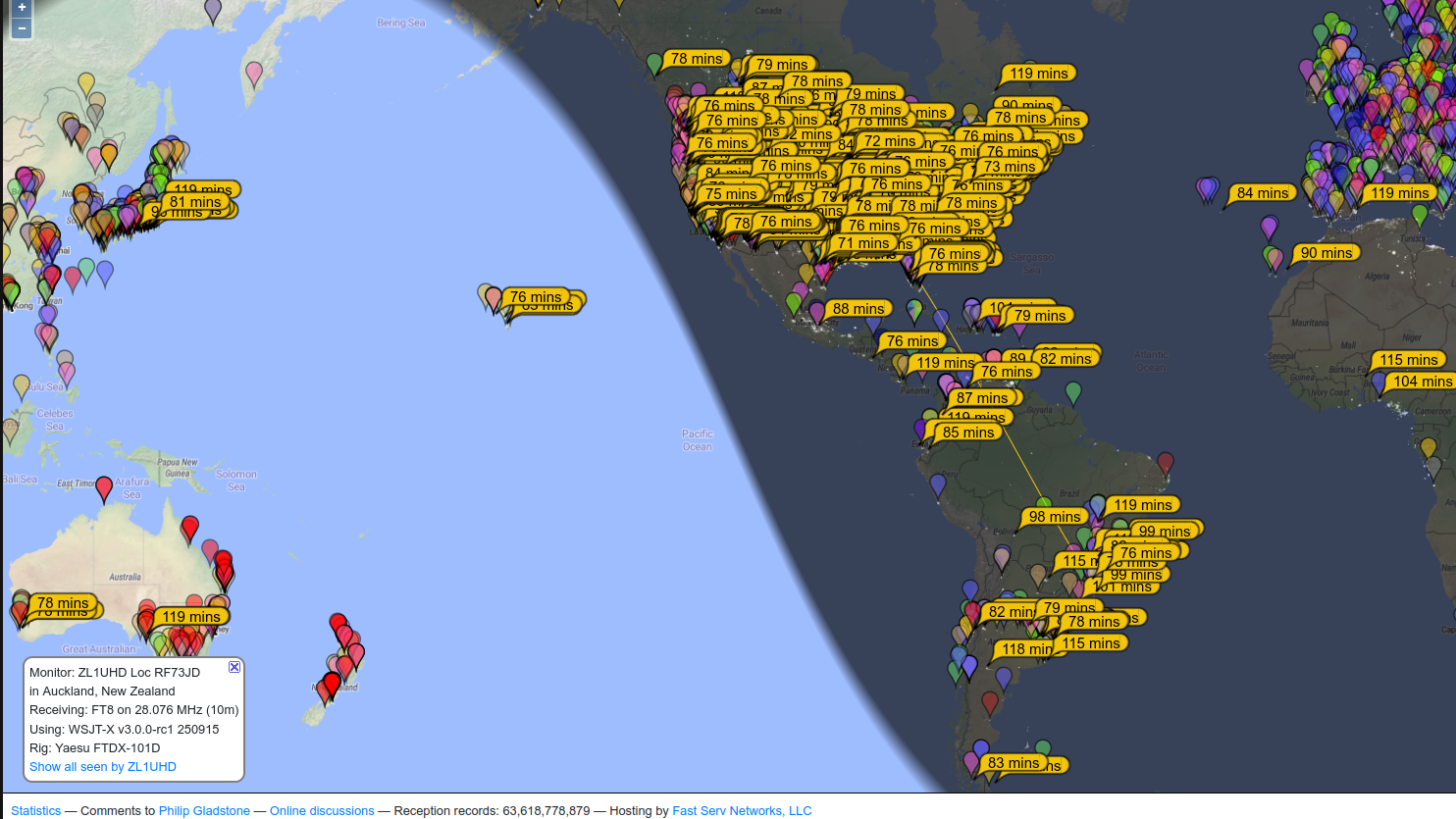
Note that I’m using my “fair weather” radio outdoors on the patio, so I don’t have any lightning suppressors, grounding rods or wall penetration hardware/boxes, which will probably eventually add another $100-200 to make a permanent “ham shack” install.

I’m also planning on upgrading to a RadioWavz 40m DX off center fed (OFC) Windom dipole that will be resonate at 40m, 20m, and 10m, allowing me to try out two other bands without buying a separate antenna tuner (I’ll probably upgrade to a newer radio with a built in tuner before buying an external antenna tuner).

Parts list with costs and source links:

Icom IC-725 Ham Radio – 30 years old, 100 watt transmitter that covers 160-10m bands (but only if your antenna is resonate at the frequency, as it doesn’t include a built in Antenna tuner). $300 used  (The Icom IC-7300 (not Mk2) can be purchased new for $1,000 right now on discount because ICom released the IC-7300Mk2, and is a direct replacement for this radio that is better in every way except price.)

Icom HM-36 hand mic (with Up/Down buttons) $40 used (+$10 s/h)
(I really appreciate the up/down buttons on the hand mic for searching the band at 1kHz increments….)

RadioWavz 20M “Double Bazooka” Dipole antenna ($40 used, $80 new w/ shipping)

DigiRig Mobile (CI-V configured) with ICOM CI-V Din 8 cables: $87.93 shipped
(I also recommend their shielded USB cables to prevent any RF/EMI from messing with your computer.)

Surplus LiIon “12 volt” (really 13.5 volts) 28 Ah battery: $60
(You could also buy an AC 13.8 volt 30 amp power adapter for under $100)

~ $100 of rope, pulleys, and coax to hang and connect the antenna (Note that I’m using my “fair weather” radio outdoors on the patio, so I don’t have any lightning suppressors, grounding rods or wall penetration hardware/boxes, which will probably add another $100-200 to make a permanent “ham shack” install).

50′ RG58 coax with PL259 connectors: $30

500′ 3/16 inch Black Dacron Polyester Rope $40
(I had some left over…)

2x U-Type Swivel Pulley 304 Stainless Steel $20

40 lb Neon Fire fishing line – 370 Yds (used to pull ropes and pulleys into trees) $13

I also used my son’s 20lb draw bow and arrow (for free!) but you’ll need something to launch the monofilament fishing line over tree limbs. I’d recommend a “Tree throw weight” thrown by hand as your least expensive option at $15 You can also buy a complete kit that includes 3mm rope instead of fishing line and a bag for $22.